4.7 | 12.000+ Customers

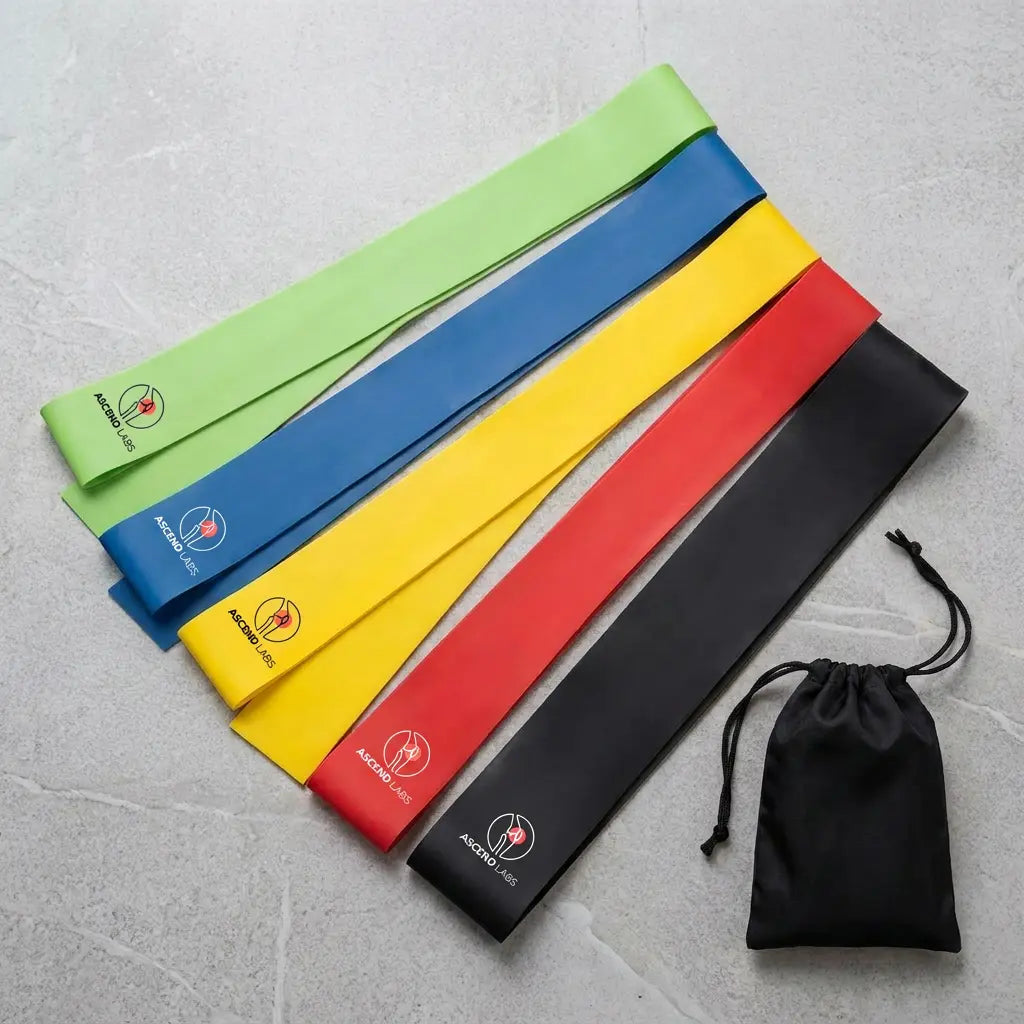
5 Progressive Loading Bands

5 Progressive Loading Bands

The strap addresses the load. The bands build the capacity to handle more of it.

  • 5 progressive resistance levels
  • TPE material — won't snap
  • Marked resistance levels
  • Cloth storage bag included
  • American Express
  • Mastercard
  • PayPal
  • Shop Pay
  • Visa
  • Reusable
  • 30-Day Guarantee
  • Free Shipping
Sandra M. 39
Sandra M. 39
Phoenix, AZ

My knee had been stopping me from squatting properly for almost a year. Started using these for single leg work and the five levels meant I could start where I actually needed to without feeling like I was going backward. Eight weeks in I am back to full depth. The black band is now genuinely difficult. That is the whole point.

Carol T
Austin, TX

Fourteen months of being told to load it progressively. Nobody ever gave me the right tool to actually do that. Started on green, which was more honest than I expected. Six weeks later I am on red and the leg handles things it was not handling before. Simple product. Does exactly what it is supposed to do.

Patricia W, 65
Patricia W, 65
Chicago, IL

I ordered the Ascend Strap first and added this one when it showed up in my cart. Best decision. The strap handles the court, this handles the recovery. My knee feels better the next morning than it did before I started using either one.

Judith R, 58
Denver, CO

Easy to use and does exactly what it says. I freeze it overnight and it stays cold long enough for a full 20 minute session. The velcro strap holds it perfectly — I can read or watch TV while it works. No fuss, no mess. Just a very smart little product

Five TPE resistance bands, each marked with its resistance level so you always know where you are in the progression. Start at the level that is honest and work up over weeks, not days. Durable enough to handle daily loading work without snapping. Cloth storage bag keeps them together and with you. At the gym, at home, wherever the session happens.

1. Start with green or blue. The right band makes the last few reps hard.

2. Terminal knee extensions or single leg step-downs. Three sets of fifteen, slow and controlled. Twice daily.

3. Move up a level when the current one stops being difficult. That is the whole protocol.

Orders are processed within 1–2 business days before shipment. Estimated delivery time is 6–10 business days depending on your location.

View full details

On Every Trail. Between Every Trail.

The Ascend Strap changes the angle before the force reaches the tendon. What determines how much load the tendon can absorb over a full training block is the strength of the muscle and tissue around it. The bands build that capacity between runs, one resistance level at a time.

Custom image for 5 Progressive Loading Bands

On Every Trail. Between Every Trail.

The Ascend Strap changes the angle before the force reaches the tendon. What determines how much load the tendon can absorb over a full training block is the strength of the muscle and tissue around it. The bands build that capacity between runs, one resistance level at a time.

The strap handles the load. The bands build it.

The Ascend Strap redirects the force away from the spot below your kneecap during every stride. The bands strengthen the quads, hip flexors, and tissue around the tendon so that spot becomes harder to overload in the first place.

Frequently Asked Questions

Green for most players returning to loading work or new to resistance training. If you have been training consistently for several months, blue is likely the honest starting point. The right level should make the last few reps of each set genuinely difficult. If it does not, move up.

Three times a week is the realistic starting point for most recreational tennis players. Three sets of fifteen reps, slow and controlled, on days between matches. Consistency matters more than intensity here.

The strap addresses what happens to the tendon during every match, redirecting the force before it reaches the overloaded spot. The bands address what the surrounding structure can tolerate over time, building capacity through progressive work done between sessions. They are not addressing the same thing. They are addressing the same problem from two different directions. Most players who use both describe the difference not as playing more comfortably, but as playing with less calculation about whether the knee is going to cooperate.